Skip to content
  • Emergency
  • NAT-Wiki
  • TUMonline
  • Moodle
  • Webmail
  • Webdisk
  • e-Journals
  • App Server
  • CIP Pool
  • de
  • en
  • TUM School of Natural Sciences
  • Technical University of Munich
Technical University of Munich
  • Homepage
  • News and Events
    • Bioscience
    • Chemistry
    • Physics
    • Awards
      • TUM Ambassadors
    • ERC Grants
    • Rankings
    • TUM in figures
    • Events
      • Doctoral Defenses
      • Open house day
        • 2024
      • Tag der Physik
        • Tag der Physik 2024
        • Tag der Physik 2023
      • Chemistry graduation ceremony
        • Archive
          • 2025 (November)
          • 2025 (July)
          • 2024
          • 2023
      • Physics graduation ceremony
        • Previous graduation ceremonies in physics
          • Physics graduation ceremony (June)
          • Physics graduation ceremony 2023 (November)
          • Physics graduation ceremony 2024 (June)
          • Physics graduation ceremony 2024 (November)
          • Physics graduation ceremony 2025 (February)
          • Physics graduation ceremony 2025 (June)
          • Absolventinnen- und Absolventenfeier Physik 2025 (Novemberi)
          • Physics graduation ceremony 2026 (March)
      • MChG-Kolloquium
      • Munich Physics Colloquium
  • Professors
  • Our School
    • Contact and directions
      • In an emergency: What to do?
    • Organization
      • Organizational chart
      • Executive Board
      • Departments
      • School Office
        • Academic & Student Affairs
        • School Services
      • School Council
      • Professional Profiles
    • Professors
      • TUM Junior Fellows
    • Graduate Center
    • Equal opportunities
      • Child care
      • Study and work with family
      • Emergency
      • Support for Ukranian students
      • Women in Chemistry
    • IT Office
      • IT-Service 5100
      • IT-Service 5400
        • Team
        • Support
        • CIP Pool
        • Info
        • TUMcard
    • Central Services
    • Outreach
      • TUM Open Campus Day
      • studium MINT
      • Unitag an der TUM
      • Open Doors with the Mouse
        • Open Doors with the Mouse 2023
    • Our History
      • Chemistry
        • Inorganic Chemistry
        • Organic Chemistry
        • Physical and Theoretical Chemistry
        • Technical Chemistry
      • Physics
  • Academics
  • Research
    • Main Research Areas
      • Accelerated Scientific Discovery
      • Biomolecular Engineering & Design
      • Clean Technology Solutions
      • Fundamental Forces and Cosmic Evolution
      • Fundamental Science for Health
      • Quantum Science & Technologies
    • Professional Profiles
    • Departments
    • Clusters
    • CRCs and Transregios
    • TUM Centers
    • Research infrastructure
    • Research on Campus Garching
  • Intranet
  • Sitemap
  1. Homepage
  2. Research
  3. Clusters

Our Clusters of Excellence

Clusters of Excellence are innovative, world-class research projects funded under the national Excellence Initiative, which connects universities with leading German research institutes and businesses. The School of Natural Sciences contributes to five of these clusters.

BioSysteM

The cluster “BioSysteM“ aims to create self-organizing molecular and cellular systems with programmable, life-like properties. The researchers develop biomolecular machines, intelligent materials and pattern-based therapeutics. As a basis for new medical applications, they are also researching the control of cell differentiation and organ formation.
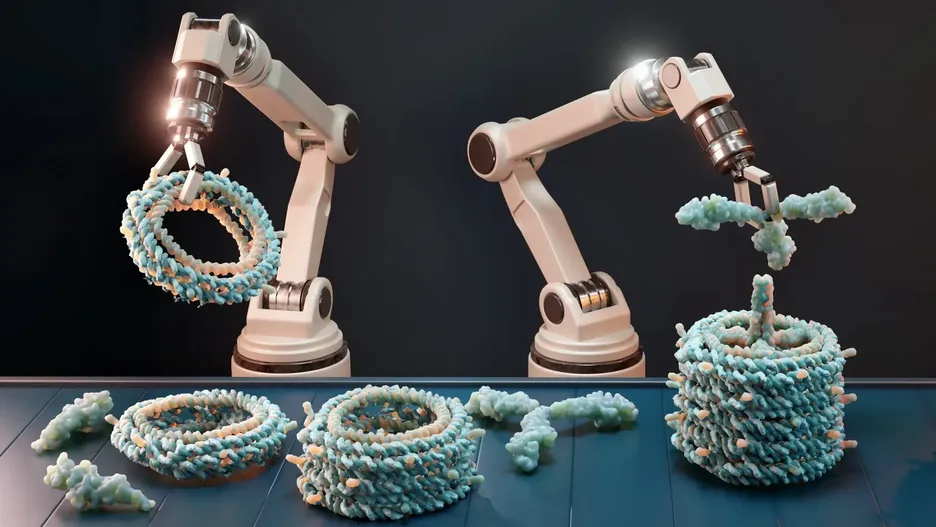
Image: Barth von Rossum

Friedrich Simmel (Spokesperson)

Karen Alim, Andreas Bausch, Job Boekhoven, Hendrik Dietz, Karl Duderstadt, Matthias Feige, Ulrich Gerland, Julia Herzen, Matthias Rief, Thomas Schlichthärle, Nicole Strittmatter, Gil Westmeyer, Cathleen Zeymer

e-conversion

The cluster e-conversion explores the underlying processes in the conversion of renewable energies and follows a cross cutting approach form quasi-particle interactions, hybrid energy conversion schemes to interfaces and interphase mechanisms supported by AI, ML (machine learning) and high throughput experimentation. Collectively this supports novel hybrid energy conversion and storage technologies of the future and the existing ones. This includes examples, in photovoltaics, photocatalysis, and batteries.
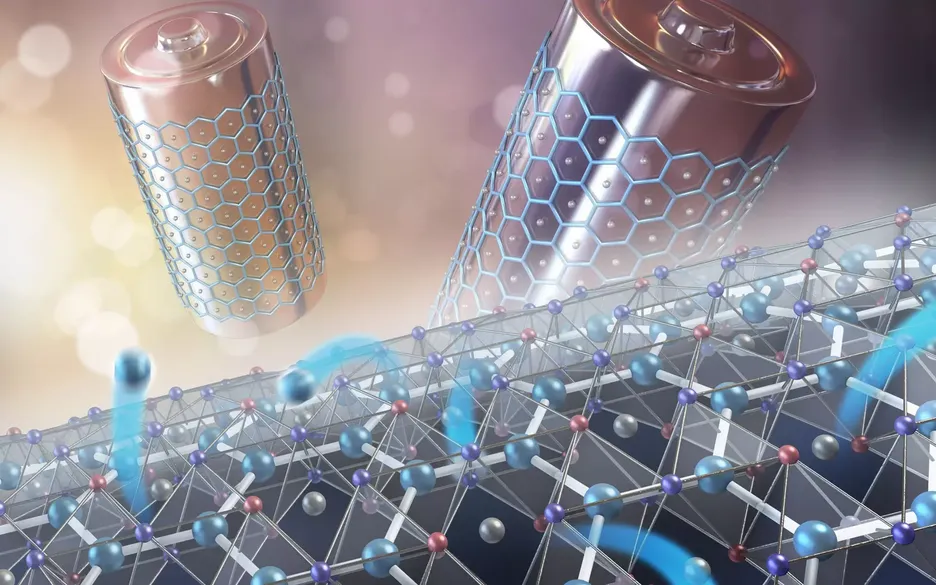
Image: Bettina V. Lotsch et al., published by American Chemical Society

Jennifer Rupp (Spokesperson), Ian Sharp (Deputy Spokesperson)

Aliaksandr Bandarenka, Johannes Barth, Dominik Bucher, David Egger, Johanna Eichhorn, Jonathan Finley, Roland A. Fischer, Hubert Gasteiger, Jürgen Hauer, Ulrich Heiz, Alexander Holleitner, Reinhard Kienberger, Katharina Krischer, Barbara Lechner, Peter Müller-Buschbaum, Patrick Rinke 

MCQST

MCQST is examining the scientific basis for complex quantum systems and establishing the technological foundation of quantum technology, a key next-generation technology for the 21st century. The researchers address significant fields of application ranging from quantum computers, powerful quantum information systems and quantum sensors to novel quantum materials.
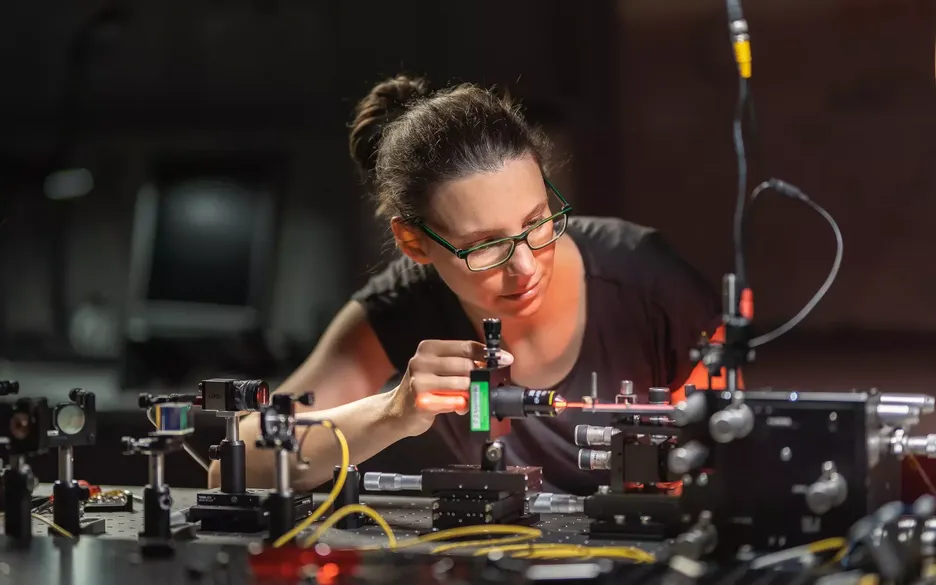
Image: MCQST / C. Hohmann

Barbara Kraus (Spokesperson)

Wilhelm Auwärter, Christian Back, Johannes Barth, Nora Brambilla, Dominik Bucher, Laura Classen, Florian Dirnberger, Stefan Filipp, Jonathan Finley, Ellen Fogh, Steffen Glaser, Alexander Holleitner, Christoph Kastl, Reinhard Kienberger, Michael Knap, Johannes Knolle, Benjamin Lienhard, Frank Ortmann, Christian Pfleiderer, Frank Pollmann, Peter Rabl, Andreas Reiserer 

ORIGINS

The cluster „ORIGINS“ is conducting research into the evolution of the universe from the Big Bang to the origin of life. Researchers from the fields of astrophysics, biophysics and particle physics collaborate, for example, in the search for the connection between the formation of planets and the origin of the first prebiotic molecules. Among other things, they are trying to show that life is a natural process that forms part of the evolution of the universe.
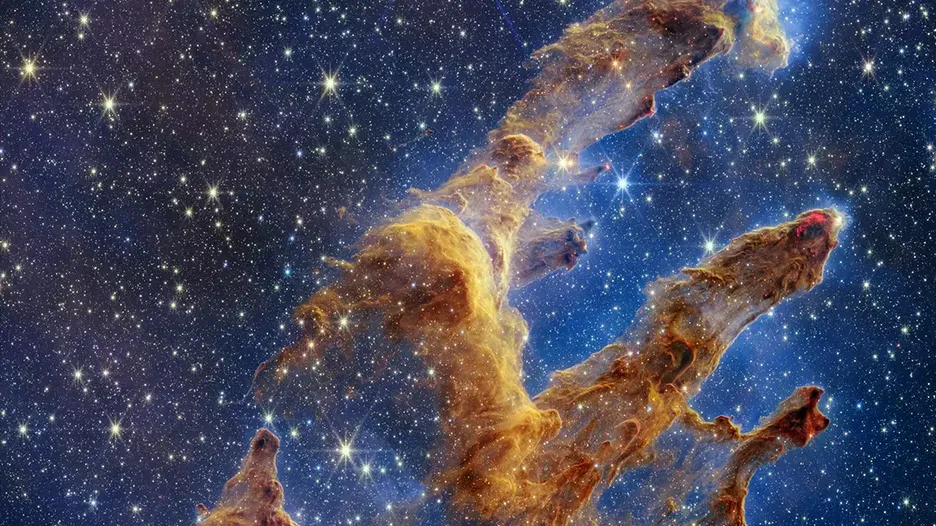
Image: NASA, ESA, CSA, STScI; Joseph DePasquale (STScI), Anton M. Koekemoer (STScI), Alyssa Pagan (STScI)

Stefan Schönert (Spokesperson)

Martin Beneke, Job Boekhoven, Nora Brambilla, Laura Fabbietti, Peter Fierlinger, Ulrich Gerland, Lukas Heinrich, Alejandro Ibarra, Bastian Märkisch, Stephan Paul, Elisa Resconi, Sherry Suyu, Lorenzo Tancredi, Andreas Weiler, Giulia Zanderighi 

Cluster with NAT involvement

NUCLEATE

The NUCLEATE research cluster investigates the fundamental biological functions of RNA and DNA molecules. The focus is on interdisciplinary approaches to better understand the roles of nucleic acids in organisms and how their activity can be specifically regulated. As a key technology for future medicine, the targeted modulation of nucleic acids will open up completely new possibilities for diagnosis and treatment.
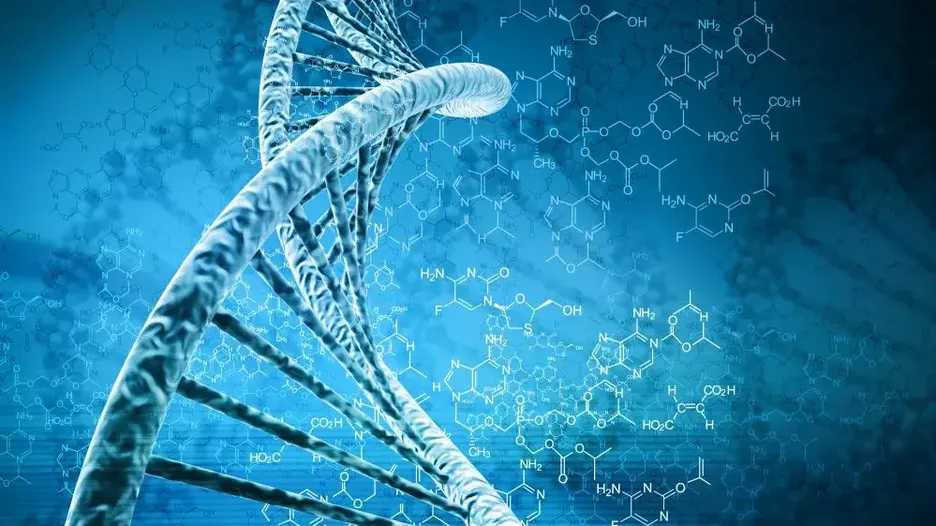
Image: Adimas / Fotolia

Carina Baer de Oliveira Mann, Michael Sattler

News on clusters with participation from NAT

Fundamental Forces and Cosmic Evolution, ORIGINS, Research, Physics | 19.11.2025

Understanding the origins of life

EXplained: ORIGINS with Stefan Schönert [read more]

Color photo of two researchers in a lab working at a computer
Biomolecular Engineering & Design, ORIGINS, Research, Bioscience | 06.11.2025

From primordial soup to “living in a bubble” – unraveling the secrets of life

Prof. Job Boekhoven and his team use simple molecules and chemical reactions in a bottom-up approach to replicate life in the lab. [read more]

Clean Technology Solutions, e-conversion, Research, Physics | 05.11.2025

Preventing dangerous short circuits in lithium batteries

TUM researchers reveal surprising growth of destructive dendrites in electrolytes [read more]

Public Outreach, Diversity, e-conversion, Research, Chemistry, Physics | 04.11.2025

New resources from waste products

Career in science: Yixiao Zhang [read more]

Quantum Science & Technologies, MCQST, Research, Chemistry, Physics | 17.10.2025

Quantum science as the basis for new technologies

EXplained: MCQST with Barbara Kraus and Ignacio Cirac [read more]

Start-ups, e-conversion, Chemistry, Physics | 14.10.2025

TUM Spin-off Qkera Receives Pre-Seed Investment from InnoEnergy to Accelerate Battery Technology

The investment led by InnoEnergy strengthens the TUM spin-off Qkera in the commercialization of ceramic electrolyte membranes for next-generation… [read more]

Clean Technology Solutions, e-conversion, Research, Chemistry, Physics | 13.10.2025

Research for a sustainable energy future

EXplained: e-conversion with Jennifer Rupp and Ian Sharp [read more]

NUCLEATE, Research, Bioscience | 01.10.2025

Nucleic acids as key to a new class of drugs

NUCLEATE EXplained with Stefan Engelhardt. Prof. Carina Baer de Oliveira Mann, Prof. Danny Nedialkova and Prof. Michael Sattler are involved in the… [read more]

Color photo of a smiling person with crossed arms, a city scene in the background
BioSysteM, Fundamental Science for Health, Biomolecular Engineering & Design, Accelerated Scientific Discovery, Bioscience | 25.09.2025

“Many international researchers don’t even know what is possible in Germany”

Wübben Foundation interviewed new NAT School Prof. Thomas Schlichthärle for its “In Conversation with our Fellows” series [read more]

Color illustration of a magnifying glass and molecular models
Clean Technology Solutions, e-conversion, Research, Chemistry | 23.09.2025

With a magnifying glass into the reaction center

More realistic simulations to understand CO₂ reduction [read more]

  • << First
  • < Previous
  • …
  • 2
  • 3
  • 4
  • …
  • Next >
  • Last >>
To top

TUM School of Natural Sciences

Technische Universität
München

Boltzmannstr. 10
85748 Garching

Excellence Strategy of TUM

Clusters of Excellence at TUM

  • Privacy
  • Imprint
  • Accessibility